What It Is and Key Specs
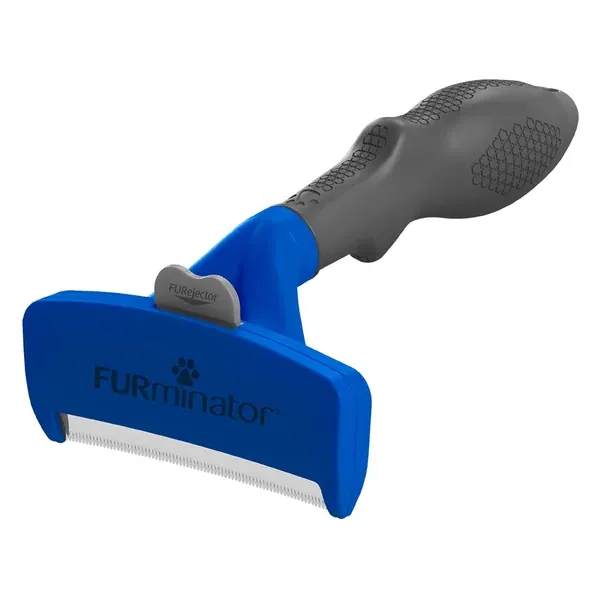
The FURminator Undercoat deShedding Tool for Large Dogs with Long Hair is designed specifically for dogs weighing more than 50 pounds with longer coats. According to the manufacturer's product page at furminator.com, the tool features a curved, stainless steel edge engineered to reach through the topcoat and pull loose undercoat hair to the surface without cutting the skin or damaging the outer coat — provided it is used as directed.
Key features as stated in the product listing include:
- FURejector Button: A push-button mechanism to release collected hair with minimal effort, keeping grooming sessions efficient.
- Ergonomic Handle: Contoured for a comfortable grip during extended grooming.
- Manufacturer Guarantee: The listing states the tool is guaranteed to work or your money back — details are available on the product label.
Build Quality and Design
The stainless steel deShedding edge is a consistent hallmark of the FURminator line. Published coverage from
Groomer's Choice notes that the tool's unique stainless steel edge grabs loose, dead undercoat hair — the underlying source of shedding — without cutting the coat. The FURejector button is a practical addition that addresses one of the more tedious aspects of deshedding: clearing accumulated hair from the teeth of the tool between strokes.
The ergonomic handle design is intended to reduce hand fatigue, which matters for owners of large, double-coated breeds where grooming sessions can run long.
Real-World Fit: Who It Suits and Who Should Skip It
This tool is well-matched to owners of large, double-coated or heavy-shedding breeds — think Golden Retrievers, German Shepherds, Bernese Mountain Dogs, or similar dogs over 50 pounds with longer fur. The manufacturer states that with regular use, deShedding tools in the FURminator range reduce loose hair by up to 90 percent (furminator.com short hair reference), a figure associated with weekly use as part of a broader grooming regimen.
Shoppers should note this tool is specifically sized and configured for large dogs with long hair. Owners of smaller dogs, short-haired breeds, or dogs under 50 pounds should look to FURminator's other size and coat-type variants — using the wrong size can reduce effectiveness or be uncomfortable for the animal.
This tool is also not suited for cats or dogs with single-layer coats, as the deshedding action targets an undercoat that those animals don't have.
Honest Limitations
A few considerations worth flagging based on the manufacturer's own language and published coverage:
- "When used as directed" caveat: The claim that the tool does not cut skin or damage the topcoat is qualified by correct usage. Over-aggressive brushing or excessive pressure can cause coat damage or skin irritation — a risk common to all rake-style deshedding tools.
- Coat-type specificity: The long-hair designation is meaningful. This is not a universal grooming tool; it is purpose-built for one coat profile and size range, limiting its versatility for multi-pet households with varied breeds.
- Maintenance required: The FURejector button helps, but accumulated hair still needs to be cleared regularly mid-session for the tool to perform consistently. No self-cleaning mechanism is included.
- Guarantee terms are on the label: The money-back guarantee is cited in the listing, but specifics are deferred to product label fine print, so shoppers should review those terms before purchase.
Category Context
Within the deshedding tool category, the FURminator is one of the most widely stocked and referenced tools at professional grooming supply retailers such as Groomer's Choice, indicating broad trade-level acceptance. The product's segmentation by dog size and coat length — separate SKUs for small/medium/large and short/long hair — reflects a more targeted design approach than single-size competitors, though it also means buyers must select carefully to get the right tool.