---
Is the TFNN Reptile Heat Lamp worth buying for your reptile setup? If you keep turtles, bearded dragons, lizards, or other heat-dependent reptiles, lighting is one of the most critical elements of their habitat — and getting it wrong has real health consequences. This lamp aims to simplify that with dual-wattage UVA/UVB bulbs and an intelligent cycle timer built right in. Here's what you need to know before you buy.
Key Features and Specifications
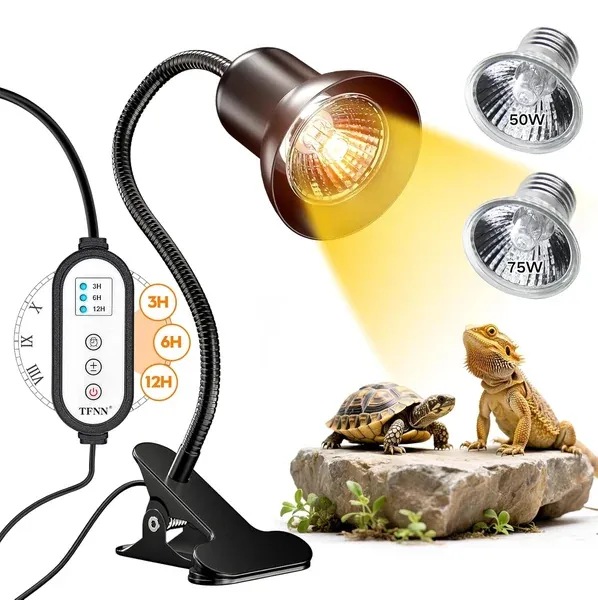
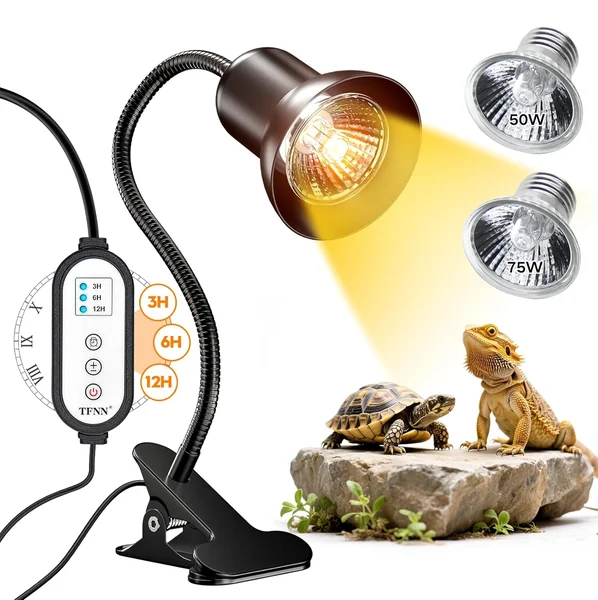
The TFNN Reptile Heat Lamp ships with two bulbs — a 50W and a 75W option — giving you flexibility depending on your enclosure size and species requirements. Both bulbs emit UVA and UVB radiation, which is essential for reptile health. UVB in particular drives the synthesis of Vitamin D3 in reptiles, which is necessary for calcium absorption and preventing metabolic bone disease — a serious and unfortunately common condition in captive reptiles.
The standout feature here is the intelligent cycle timer, which automates day/night light cycles directly from the lamp unit. Rather than relying on a separate outlet timer (an extra cost and another plug to manage), the TFNN handles the scheduling onboard. This is genuinely useful for reptile keepers who want consistency without babysitting the enclosure.
The clamp mount design attaches to tank rims, shelving, or enclosure edges and is adjustable for angle and positioning. The build appears solid and functional, with a straightforward setup that doesn't require special tools. The lamp housing itself handles the heat output from both bulb options, though like all heat lamps, proper ventilation around the fixture matters.
According to
reptile care guidance from the ASPCA, proper lighting — including appropriate UVB exposure — is one of the foundational requirements for healthy captive reptiles. A lamp that combines heat, UVA, UVB, and automated cycling in one unit addresses multiple husbandry needs simultaneously.
Who This Lamp Is Best For
Ideal for beginner to intermediate reptile keepers who want a consolidated lighting solution without building out a complex multi-component setup. If you're housing a bearded dragon, leopard gecko, box turtle, aquatic turtle, or similar basking species, this lamp covers the core lighting requirements in one purchase.
The dual-bulb system is particularly practical. The 50W bulb suits smaller enclosures (under 40 gallons) or species that prefer lower basking temperatures, while the 75W is appropriate for larger tanks or species like bearded dragons that need basking spots in the 100–110°F range. Having both in the box means you can dial in the right temperature without a separate purchase if your first choice runs too hot or cool.
The cycle timer makes this especially useful for keepers who travel, have irregular schedules, or simply want to remove the guesswork from light cycle management. Consistent day/night cycles reduce stress in reptiles and support natural behavior patterns.
Limitations and Who Should Skip It
There are a few honest limitations worth flagging. This lamp is not a substitute for a dedicated, high-output UVB fluorescent tube for species with intensive UVB requirements. Iguanas, tortoises, and chameleons typically benefit from longer-wavelength, higher-intensity UVB exposure across a wider area than a single spot bulb can provide. For those species, this may work as a supplemental heat and UVA source, but a dedicated T5 HO UVB linear fixture should anchor the lighting setup.
The clamp mount, while convenient, isn't designed for mesh-top enclosures with heavy cross-bars or unusually thick rim profiles. Measure your enclosure's rim width before ordering.
Also worth noting: bulb lifespan matters here. UVB output degrades before the bulb visually burns out — most reptile UVB bulbs should be replaced every 6 months regardless of whether they still illuminate. Factor that replacement cost into your ongoing budget.*
*Bulb replacement schedule varies by usage hours and manufacturer specs — track your bulb installation date and replace proactively.
Finally, the product listing targets reptiles broadly, but this lamp is strictly for reptiles. Not suitable for use with mammals, birds, or aquatic fish tanks — it's a heat and UVB lamp designed around reptile thermoregulation needs, not general pet use.
Setup and Safety Considerations
Proper placement is non-negotiable with any heat lamp. Position the bulb so your reptile can bask beneath it but cannot physically contact the bulb or fixture — burns from direct contact with heat bulbs are a real and preventable hazard. Use an infrared thermometer gun to verify actual basking spot temperatures rather than relying on ambient room temperature estimates.
The clamp should be checked periodically for secure attachment — vibration over time can loosen clamp mechanisms, and a dropped heat lamp is both a fire risk and a hazard to the animal. Always plug heat lamps into a surge-protected outlet, and never leave a malfunctioning or flickering bulb running unattended.
For species-specific temperature and UVB requirements,
ReptiFiles offers detailed care sheets that are worth cross-referencing when dialing in your setup.
Value Assessment
At its price point, the TFNN Reptile Heat Lamp delivers solid value for what it includes. The combination of dual-wattage bulbs plus an onboard cycle timer is genuinely competitive versus buying a basic clamp lamp and a separate outlet timer, which often costs more combined and adds setup complexity.
Where you'd spend more is with premium alternatives like Arcadia or Zoo Med's fixture-and-bulb systems, which offer more precise UVB output specifications and longer-rated bulb lifespans. For casual keepers or those setting up a first reptile enclosure on a budget, the TFNN is a reasonable starting point. For serious hobbyists with multiple enclosures or demanding species, it's worth comparing against higher-spec options.
If you're new to reptile keeping, consult a reptile-experienced veterinarian to confirm that your full lighting and temperature setup meets your specific species' requirements before your animal arrives.
---