What It Is and Key Specs
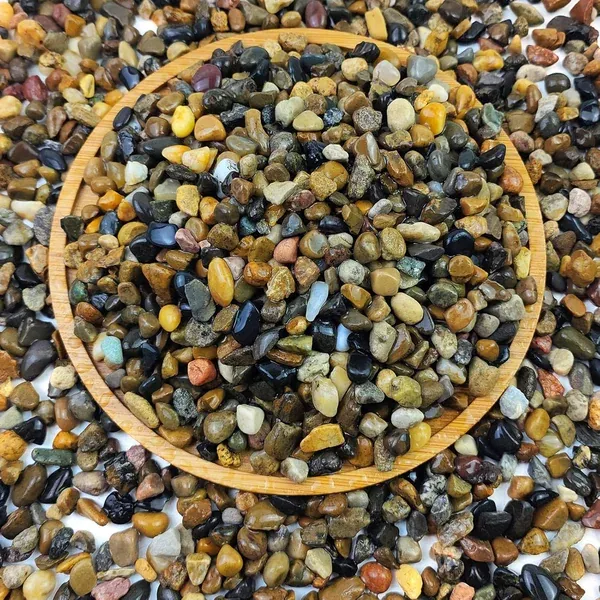
FANTIAN's pea gravel is a bag of natural river rocks sized at approximately ¼ inch (roughly pea-sized) and sold in a 5-pound unit. According to the product listing, the gravel is machine-screened, so occasional oversized pieces should be expected. The listing also flags an important color note: product photography shows stones in a damp state, which makes them appear lighter and more vibrant. The dry gravel delivered will look noticeably darker.
The manufacturer, listed on Alibaba as Guangdong Fantian Furniture Co., Ltd., is primarily a furniture hardware supplier; this gravel line appears to be a separate product category. No independent third-party coverage of this specific product was available, so this review draws entirely from the manufacturer's product listing.
Versatility and Intended Uses
The listing positions this gravel across several distinct use cases:
- Aquarium substrate and decoration – described as safe for fish and turtles, and useful for mimicking a natural riverbed environment.
- Plant drainage – the manufacturer states the rocks improve drainage and air circulation in small potted planters, and help retain soil moisture while preventing soil compaction. Bamboo, cactus, and succulents are specifically called out as good fits.
- Decorative and craft applications – vase filler, candle making, terrariums, DIY projects, nautical décor, and flower arrangements are all mentioned.
- Outdoor landscaping – flower beds, garden beds, and walkways are listed as suitable surfaces.
That breadth of stated use makes this appealing for buyers who want a single bag of natural stone for multiple small projects.
Aquarium Safety and Preparation
The listing describes the gravel as safe for aquatic environments but explicitly instructs users to wash the stones two to three times with water before first use until the surface is clean and smooth. This is standard practice for any natural gravel added to a fish tank and worth taking seriously — skipping this step risks clouding tank water and introducing surface dust or debris.
No CPSC safety certification data was provided in the listing or retrieved sources, so no compliance claims can be made here.
A Note on Weighing and Scale Confusion
One of the more unusual bullets in this listing is a weight-verification guide. The manufacturer explains that many US household scales display weight in a "lb:oz" format — for example, "4.15" on such a scale means 4 lb 15 oz (approximately 4.94 lb), not 4.15 lb. The listing provides the conversion formula: multiply the number before the decimal by 16, add the number after the decimal, to get total ounces. This suggests the brand has fielded customer complaints about perceived short-weight and is proactively addressing the confusion. It also implies buyers have raised this concern often enough to warrant a dedicated callout.
Real-World Fit: Who It Suits and Who Should Skip
Good fit for:- Hobbyists setting up small freshwater aquariums or terrariums who want natural-looking substrate.
- Plant owners looking for an affordable top dressing for succulents, cactus, or bamboo.
- Craft and décor projects (vases, candle making, nautical arrangements) that call for a modest quantity of small river stone.
Consider alternatives if:- You need color-consistent, uniformly sized gravel — machine screening means size variation is acknowledged.
- You want stones that look like the listing photos without wetting them first; dry delivery results in a darker appearance.
- You require a large volume for landscaping — at 5 pounds, this is a small-scale quantity and may not be cost-effective for anything beyond accent work.
Honest Limitations
The listing is candid about a few shortcomings worth repeating. Size consistency is not guaranteed; oversized pieces are explicitly called out as possible due to the machine-screening process. The color discrepancy between photos (damp) and delivery (dry and darker) is a real expectation gap. And the scale-reading clarification, while helpful, signals that weight-related complaints exist in the product's review history. No aquarium water-chemistry data (pH neutrality, mineral leaching) is provided in the listing, which is relevant information for sensitive fish species that buyers will need to research independently.
Darrell Steward
1 Feb, 2021Brilliant
This is the best product that has ever been made. It is also one of the best items in the world right now. Definitely go for it.
Albert Flores
17 Oct, 2020Just WOW
It's good to use this product for development as it has very good performance, display quality and all other features.