What It Is and Key Specs
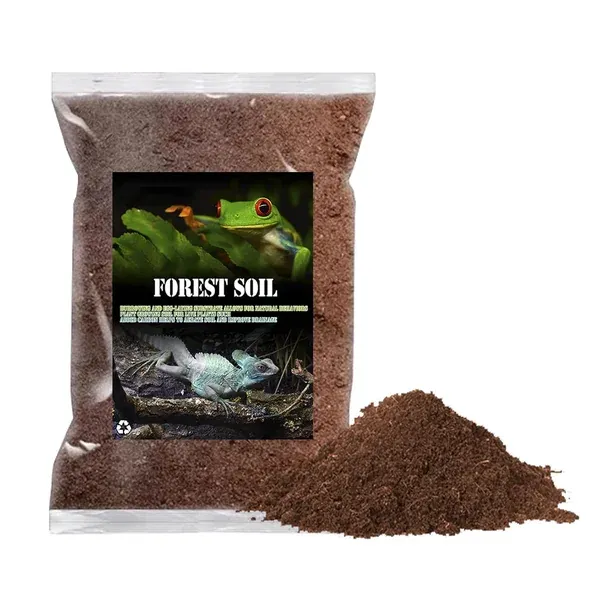
The BNOSDM Reptile Soil Substrate is a packaged, fine-strand soil-based bedding designed for use in reptile and amphibian enclosures. According to the manufacturer's listing, each bag holds 1.32 gallons (5 liters) of substrate. The product is positioned as a multi-species solution, with the listing citing compatibility with geckos, turtles, lizards, snakes, frogs, tarantulas, and scorpions. It can also be used, per the manufacturer, for incubating turtle eggs — a secondary use case not always found in budget-tier reptile substrates.
The "fluffy small-strand" description in the product name suggests a loosely packed, fiber-integrated soil texture, though the exact composition (e.g., coco coir content, peat ratio) is not specified in the available product information.
Build Quality and Material Claims
The manufacturer states the substrate is "scientifically processed" to help decompose liquid waste and reptile excrement, which it credits with enhancing a pet's resistance — a claim that is broadly in line with how bioactive or decomposer-friendly substrates are marketed across this category, though independent verification of those processing claims is not available from the sources reviewed here.
On the moisture side, the listing highlights both ventilation and moisture retention as dual properties, asserting that the substrate can reduce excessive dryness during hibernation and support long-term enclosure stability. These are meaningful attributes for keepers of species with moderate-to-high humidity requirements.
Humidity and Environmental Enrichment
One of the more substantiated-sounding claims in the listing is the substrate's ability to maintain humidity and stimulate natural digging behavior. Soil-based substrates as a category are commonly associated with these properties — the texture and density of loose particulate material generally allows burrowing animals to exhibit natural behaviors more readily than on paper or rubber mat alternatives. For species like tarantulas, tortoises, and certain snake species that burrow or require consistent ambient moisture, a soil-type substrate is a frequently recommended starting point among reptile hobbyists.
Eco-Friendly Disposal
A distinguishing marketing point is the product's end-of-life story: the manufacturer notes that spent substrate can be composted directly into an outdoor garden or used as fertilizer for potted plants. This positions it as a low-waste option compared to synthetic or chemically treated substrates that may not be safe for garden use.
Real-World Fit: Who It Suits, Who Should Skip
Based on the listing and manufacturer information, this substrate is best suited for keepers of humidity-dependent species — think tropical tarantulas, dart frog setups, tortoise enclosures, and certain colubrids — where moisture retention and natural texture matter. The 5-liter bag size is practical for smaller enclosures or as a supplemental layer in larger builds.
Keepers should exercise caution, however, regarding a well-documented category-level risk: as noted by Moon Valley Reptiles (
moonvalleyreptiles.com), any indigestible particulate substrate — including soil — can cause intestinal impaction if consumed in excess. This is not a risk unique to this product, but it is a meaningful consideration for species known to accidentally ingest substrate while feeding. Spot-feeding on a separate surface, or using feeding dishes, is a standard mitigation practice.
Additionally, hobbyists on reptile community forums (
ourreptileforum.com) frequently discuss substrate transitions, underscoring that no single substrate is universally appropriate — species research before committing to any loose particulate bedding is essential.
Honest Limitations
- Bag size may feel small for larger enclosures; keepers with 40-gallon or larger setups may need multiple bags to achieve adequate depth.
- Composition opacity: The listing does not detail exact material ratios or disclose whether the substrate is sterilized, which matters for keepers concerned about introducing pests or pathogens.
- Impaction risk is a category-level concern with all particulate substrates, including soil-based ones, and should factor into the decision for species prone to substrate ingestion.
- "Scientifically processed" claims are marketing language without third-party substantiation in the sources available for this review.
Reader Sentiment
Readers on Amazon assign this substrate an aggregate score of 4.6 out of 5 from 277 ratings — a notably strong result for a reptile supplies product, suggesting general satisfaction among buyers, though individual species and enclosure needs will always vary.