LuvemPets

Expert Pet Product Reviews

​
​
LuvemPets

Expert pet product reviews for dogs, cats, birds, fish, and more

Company
AboutPrivacy PolicyTerms of UseAffiliate Disclosure
Pet Products
All ReviewsNew ReleasesTop Rated
Explore
DogsCatsBirdsFishSmall Pets
Our Network
LuvemPets
LuvemBooks
LuvemHome

© 2026 LuvemPets. All rights reserved.

Built by capNotion

  1. Home
  2. Product Reviews
  3. Reptiles & Amphibians
  4. The Complete Guide to Bearded Dragon Care and

The Complete Guide to Bearded Dragon Care and Ownership: Habitat Set-Up, Essential Care Routines, Nutrition and Diet, Handling, Bonding, Training, and Successful Bearded Dragon Ownership by The
PETS

Bearded Dragon Care Guide Review: Worth It?

4

·

7 min read

$15.95 on Amazon
Reviewed by

LuvemPets

·

May 9, 2026

The Complete Guide to Bearded Dragon Care and Ownership is a thorough, well-structured resource that covers nutrition, habitat, handling, and bonding with enough depth to genuinely help new reptile owners get started on the right foot. The nutrition and diet sections are particularly strong, addressing toxic foods and supplementation clearly. It falls short for advanced keepers seeking specialized or breeding-level guidance, but as a foundational reference, it's one of the more comprehensive options available.

Our Review

In This Review
  • What We Love & Watch Out For
  • Ingredients & Nutrition
  • Who It's Best For
  • Feeding Guidelines
  • The Bottom Line

What We Love & Watch Out For

What We Love
  • Covers toxic food warnings explicitly (avocado, fireflies, rhubarb), helping owners avoid dangerous mistakes from day one
  • Age-appropriate feeding ratios for juveniles vs. adults are clearly explained and practically useful
  • Handles bonding and stress reduction topics that most basic care sheets skip entirely
  • Well-organized structure makes it easy to reference specific topics quickly rather than reading cover to cover
  • Accessible tone works well for families and first-time exotic pet owners without talking down to readers
Watch Out For
  • Lacks specific product or brand recommendations for feeders, supplements, or enclosure equipment — requires supplemental research for purchasing decisions
  • Not deep enough for experienced keepers or those interested in bioactive enclosures, breeding, or advanced husbandry
  • No identified author credentials on the cover, which makes it harder to evaluate the expertise behind the advice
  • Some owners may find the absence of detailed medical symptom guidance frustrating (though deferring to a vet is the correct approach)
Ready to buy?
$15.95 - Amazon
Is The Complete Guide to Bearded Dragon Care and Ownership worth buying? If you're a first-time bearded dragon owner staring down a 300-gallon wishlist at the pet store and no idea where to start, the answer is almost certainly yes. This book positions itself as a cradle-to-cage companion for new reptile keepers, covering everything from habitat configuration to dietary planning — and for the most part, it delivers exactly what it promises.
The Complete Guide to Bearded Dragon Care and Owne_main_0
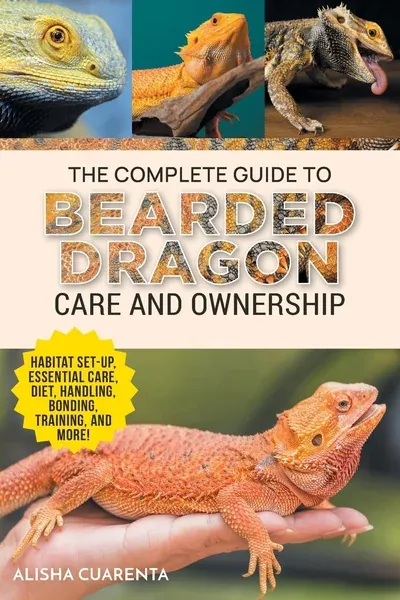
The cover design is clean and approachable, featuring imagery that conveys the calm, curious nature of bearded dragons rather than intimidating a newcomer. It's the kind of book you'd feel comfortable leaving on a shelf or handing to a kid who just brought home their first beardie. That aesthetic warmth actually reflects the book's interior tone: informative without being condescending, and practical without oversimplifying.
---

Ingredients & Nutrition

This is categorized as a food product, but let's be clear: this is a care guide book, not an edible product. The nutrition and diet section is, however, one of its strongest chapters. Bearded dragon nutrition is genuinely complex — these omnivores require a carefully balanced rotation of live insects (primarily Dubia roaches and crickets), leafy greens, and occasional fruits, with calcium supplementation critical to preventing metabolic bone disease.
The book breaks down age-appropriate feeding ratios (juveniles need roughly 70% protein and 30% plant matter; adults flip closer to 30/70), which is information many new owners get dangerously wrong. It also addresses which foods are toxic — and this is where the guide earns real points. Avocado, rhubarb, and fireflies are called out explicitly as dangerous to bearded dragons. For a broader cross-reference on reptile-safe and toxic food lists, the ASPCA Animal Poison Control database is always worth bookmarking as a companion resource.
The supplementation guidance (calcium with and without D3, multivitamins) is practical and clearly explained, though it stops short of specific brand recommendations — which is probably wise given how fast the reptile supplement market changes.
---

Who It's Best For

Ideal for first-time bearded dragon owners who want a single, organized reference rather than piecing together scattered forum advice at midnight. The handling and bonding chapters are especially valuable here — improper handling is one of the most common causes of stress-related illness in captive bearded dragons, and the book addresses body language cues and taming timelines in a way that genuinely helps beginners avoid common mistakes.
It's also a solid resource for: - Parents buying a bearded dragon as a family pet who need to understand daily care commitments upfront - Intermediate owners who feel like they've been "winging it" and want to formalize their knowledge - Reptile enthusiasts expanding from other species (geckos, blue-tongued skinks) who need species-specific guidance
Where it falls short: Experienced reptile keepers and serious hobbyists will find the depth insufficient. The habitat setup section covers UVB requirements and temperature gradients competently, but doesn't dive into advanced topics like bioactive enclosures, complex supplementation protocols, or breeding. If you're already confident in your husbandry, a specialized reptile veterinary resource or herpetology-focused publication will serve you better.
---

Feeding Guidelines

Since this is a care guide, "feeding guidelines" applies to the information it provides about feeding your bearded dragon — and it's thorough at a foundational level.
The book outlines:
- Insect feeding schedules by age group, with guidance on gut-loading feeder insects before offering them to your dragon - Leafy green rotation to prevent oxalate buildup (a real concern with heavy spinach feeding) - Hydration practices, including both water dish placement and light misting for juveniles - Calcium and vitamin D3 supplementation frequency, which is critical given the risks of metabolic bone disease in captive reptiles
One important note: the guide sensibly acknowledges that a reptile-savvy veterinarian should be your first resource for any health concerns, and it doesn't attempt to replace professional medical advice. That's the right call. The FDA Center for Veterinary Medicine recommends working with licensed veterinarians for all animal health decisions, including dietary adjustments — especially for exotic species like reptiles where specialized knowledge is essential.
The book does lack specific product recommendations for feeder insects or commercial supplementation brands, which means you'll likely supplement (pun intended) with additional research for purchasing decisions.
---

The Bottom Line

The bottom line: this is a genuinely useful, well-organized entry point for anyone beginning their bearded dragon ownership journey. The nutrition and diet coverage alone justifies the purchase for a new owner who might otherwise accidentally feed their dragon a toxic plant or miscalculate juvenile protein needs. The handling and bonding sections add real value beyond what you'd find in a basic care sheet.
It won't satisfy advanced hobbyists, and it's not a substitute for a qualified reptile veterinarian — but it was never trying to be either of those things. For what it is — a comprehensive beginner-to-intermediate ownership guide — it's well worth the price.
Consult a reptile-experienced veterinarian before making significant changes to your bearded dragon's diet, particularly if your animal shows signs of illness, unusual appetite changes, or lethargy.
---

This post contains affiliate links. We may earn a commission if you purchase through these links at no additional cost to you.

Share This Review
Browse Categories

Reptiles & Amphibians

Popular Reviews
POPULAR
RECENT
TRENDY

Kaytee Silent Spinner Review: Quiet & Tiny

5/13/2026

Loving Pets Bamboo Bowl: Eco-Friendly & Safe?

5/13/2026

GloFish Aquarium Gravel Review: Vivid Tank Upgrade

5/12/2026