What It Is and Key Specs
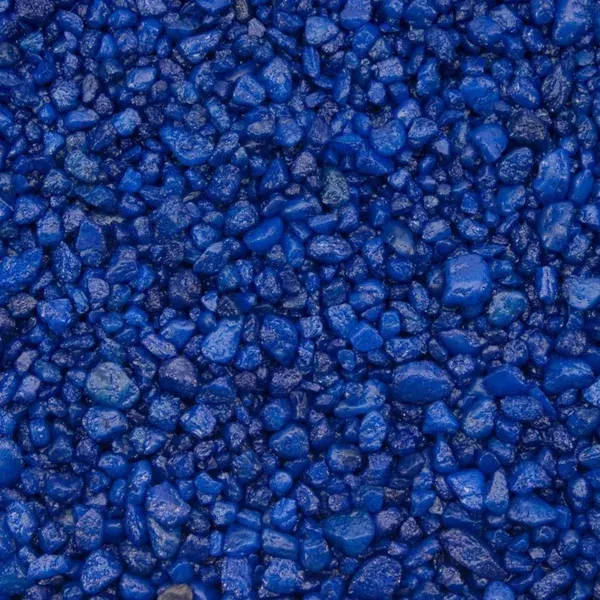
Spectrastone Special Blue Aquarium Gravel is a decorative freshwater substrate available in a 25-pound bag. The manufacturer describes it as safe for freshwater aquariums, featuring a non-toxic coating and a formulation designed not to affect water pH. The blue colorway is aimed at hobbyists who want visual contrast on the tank floor without sacrificing water chemistry stability.
Build Quality and Safety
The manufacturer states the gravel carries a non-toxic coating and is explicitly labeled safe for freshwater aquarium use. According to the product listing, it will not corrode aquarium equipment — a practical consideration for keepers running metal hardware such as heaters, filter baskets, or undergravel filter plates.
One published review at
fish-aquaticpets.com notes the product has a favorable silt-to-gravel ratio, suggesting that adding larger quantities to a tank is less likely to introduce immediate cloudiness compared to substrates with higher fine-particle content. That is a meaningful practical detail for aquarists setting up a new tank and doing a large fill.
pH Neutrality: What the Manufacturer Claims vs. Broader Context
The listing states the gravel "will not affect pH," and the non-toxic coating is part of that design intent. However, aquarium hobbyists and the broader fishkeeping community have long noted that substrate composition matters significantly for water chemistry. Aquarium Science (
aquariumscience.org) documents reader-reported cases where gravel substrates contributed to elevated pH readings in freshwater tanks — a well-known concern in the hobby, particularly for fish sensitive to alkalinity shifts like Bettas.
This does not mean Spectrastone Special Blue behaves this way; the manufacturer's claim of pH neutrality specifically addresses this point. But aquarists with fish that require tightly controlled pH — especially in soft, acidic water setups — would be prudent to monitor parameters closely after introducing any new substrate, as is standard practice regardless of brand.
Real-World Fit: Who It Suits, Who Should Skip
Good fit for:- Freshwater community tank keepers looking for a bold, decorative substrate in a larger quantity
- Hobbyists who want a manufacturer-backed assurance of non-toxic coating and equipment safety
- Aquarists setting up new tanks who want a substrate less likely to cloud water during initial fill, per published coverage
Consider skipping if:- You maintain a planted tank requiring nutrient-rich or fine-grain substrate — decorative coated gravels typically do not provide the root-anchoring or nutrient profiles that planted-tank substrates are designed for (a common characteristic across this substrate category)
- You keep fish in a specialized soft, acidic water biotope and want a substrate with third-party chemistry verification beyond the manufacturer's claim
- Your setup is saltwater — the listing specifies freshwater use, and while one third-party source mentions saltwater compatibility, the manufacturer's own bullets limit the safety claim to freshwater aquariums
Honest Limitations
Every substrate in this category comes with trade-offs worth naming:
- No independent certification cited: The non-toxic and pH-neutral claims come from the manufacturer's listing. No third-party laboratory certification is referenced in available sources.
- Decorative, not functional: Coated decorative gravels are not designed to support beneficial bacterial colonies as effectively as porous uncoated substrates, a general characteristic of smooth-coated gravels in this tier.
- Saltwater ambiguity: Published coverage at fish-aquaticpets.com suggests saltwater compatibility, but the manufacturer's own feature bullets specify freshwater use only. Buyers should defer to the manufacturer's stated scope.
- pH monitoring still advisable: The manufacturer's pH-neutral claim is reasonable context, but standard aquarium practice — monitoring water parameters after any substrate addition — remains the safest approach regardless of what any substrate is rated to do.
Reader Reception
Aggregate reader ratings for this product are available on the retail listing page and reflect a broad base of buyer experience across freshwater setups.