LuvemPets

Expert Pet Product Reviews

​
​
LuvemPets

Expert pet product reviews for dogs, cats, birds, fish, and more

Company
AboutPrivacy PolicyTerms of UseAffiliate Disclosure
Pet Products
All ReviewsNew ReleasesTop Rated
Explore
DogsCatsBirdsFishSmall Pets
Our Network
LuvemPets
LuvemBooks
LuvemHome

© 2026 LuvemPets. All rights reserved.

Built by capNotion

  1. Home
  2. Product Reviews
  3. Fish & Aquarium
  4. Pebbles Polished Gravel

Pebbles Polished Gravel, Natural Polished Mixed Color Stones,0.5-1.2inch Small Decorative River Rock Stones 2 Pounds (32-Oz) by Pebbles
PETS

Polished River Rock Gravel: Great Tank Décor?

3.8

·

7 min read

$9.99 on Amazon
Reviewed by

LuvemPets

·

Jun 10, 2026

These natural polished river rock stones bring genuine visual appeal to freshwater aquariums, with earthy mixed tones that suit biotope and decorative setups well. They're not ideal as a primary substrate for planted tanks or high-bioload setups, and the 2-pound quantity limits full-tank coverage without multiple bags. Rinse thoroughly and run a pH test before use — for decorative accent use, they're a solid pick.

Our Review

In This Review
  • What We Love & Watch Out For
  • What You're Actually Getting
  • Who These Stones Are Best For
  • Safety Considerations for Your Fish
  • Where This Product Falls Short
  • Is Polished River Rock Gravel Worth the Price?

What We Love & Watch Out For

What We Love
  • Natural, uncoated stones with no artificial dyes — lower risk of chemical leaching into the water column
  • Smooth polished finish reduces sharp edges that could injure bottom-dwelling fish
  • Attractive earthy mixed-color variation looks realistic in biotope and natural aquascapes
  • Heavy enough to stay in place in active tanks with diggers or strong filter flow
  • Versatile beyond the tank — doubles as terrarium or decorative accent material
Watch Out For
  • 2-pound bag covers limited surface area — full substrate coverage of even a 10-gallon tank requires multiple bags
  • Large gap spacing between stones traps fish waste and requires frequent siphoning to prevent ammonia buildup
  • No mineral composition disclosure means pH-sensitive fish keepers must perform their own vinegar test before use
  • Too large and smooth to support rooted aquatic plants as a standalone substrate
Ready to buy?
$9.99 - Amazon
---
Pebbles Polished Gravel, Natural Polished Mixed Color Stones,0.5-1.2inch Small Decorative River Rock Stones 2 Pounds (32-Oz) by Pebbles
Should you put these polished river rock stones in your fish tank? It's a fair question — decorative gravel sold outside the aquarium aisle doesn't always come with the safety transparency fish keepers need. After digging into what these natural mixed-color stones offer (and where they fall short), here's everything you need to know before dropping them into your aquarium.

What You're Actually Getting

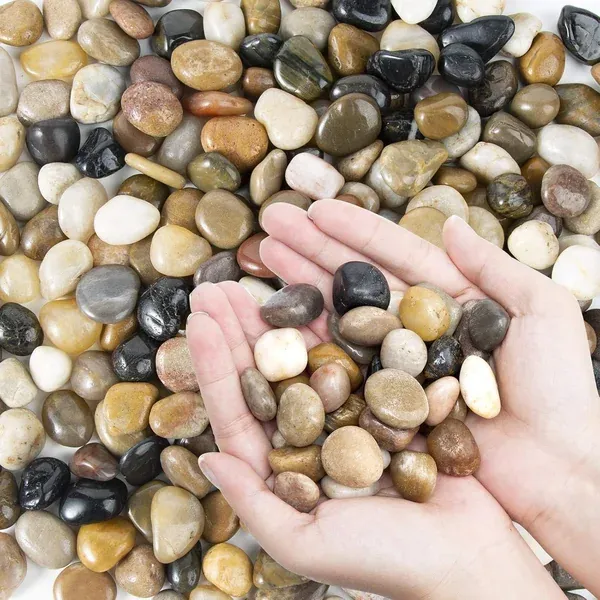
This product is a 2-pound (32 oz) bag of natural, polished river rock stones ranging from 0.5 to 1.2 inches in diameter. The stones are tumble-polished for a smooth finish and come in an assorted mix of earthy tones — think tans, grays, creams, and occasional rusty reds. They have the look of a natural riverbed, which lends a clean, organic aesthetic to freshwater setups.
These are not specialty aquarium gravel in the traditional sense. They're natural river stones — the same type used in landscaping, terrariums, and decorative bowls — which means they haven't been chemically treated or coated with artificial dye. That's actually a point in their favor for fish keepers who are wary of painted or resin-coated substrates that can leach color into the water column over time.
At 0.5 to 1.2 inches, these stones sit in the larger end of the gravel spectrum — closer to small pebbles than fine substrate. That distinction matters a lot depending on your tank setup (more on that below).

Who These Stones Are Best For

Ideal for decorative freshwater aquariums where aesthetics are the priority and you're not relying on the substrate for biological filtration. Here's where they genuinely shine:
Cichlid tanks and larger fish setups — Bottom-dwelling fish like cichlids, loaches, and larger plecos often do well with pebble-sized substrate. The stones are heavy enough not to get constantly displaced by active diggers.
Biotope aquascapes — If you're building a river or rocky streambed biotope, these mixed natural tones are a strong visual match. Unlike uniform-colored commercial gravel, the natural variation in stone color looks genuinely realistic.
Decorative accents — You don't have to use these as a full substrate layer. They work beautifully as accent rocks around driftwood, in specific tank zones, or as border stones in larger aquariums.
Betta tanks and low-tech planted setups — For bettas or fish that don't require fine sandy substrate for feeding or burrowing, this size can work well as a conversation-piece layer in a tank with a sponge filter.
One important note on planted tanks: not suitable as a primary substrate for heavily planted aquariums. The stones are too large and smooth to support root systems effectively, and they hold no nutritive value for aquatic plants. If plants are central to your setup, pair these pebbles with a nutrient-rich underlayer, or use them only decoratively.

Safety Considerations for Your Fish

This is where fish keepers need to do their homework. Natural river stones aren't automatically aquarium-safe — the key concern is whether a stone will alter your water's pH or hardness. Stones with high calcium carbonate content (like limestone or marble) will slowly raise pH and water hardness, which can stress fish adapted to soft, acidic water.
The good news: most natural river pebbles of the type used here are composed of inert materials like granite, quartzite, or basalt, which won't significantly affect water chemistry. That said, the product doesn't specify exact mineral composition, so if you keep pH-sensitive fish (like discus, cardinal tetras, or soft-water rainbowfish), run a simple vinegar test on a few stones before adding them. A fizzing reaction indicates calcium carbonate and potential pH impact.
The ASPCA notes that water chemistry stability is fundamental to fish health — even gradual pH shifts can stress fish immune systems. Take the five minutes to test.
Additionally, rinse these stones thoroughly before adding them to your tank. As natural river rocks, they may carry sediment, dust, or fine particles that will cloud your water. A good 10-15 minute soak and rinse under running water is non-negotiable before they go in.

Where This Product Falls Short

Skip this if your aquarium relies on substrate for biological filtration. The stones are too large and too smooth to harbor meaningful beneficial bacterial colonies compared to porous substrates like lava rock or fine aquarium gravel. If you're running a fish-only tank without a strong external canister filter, this isn't your best substrate choice.
The 2-pound quantity is also limited. For a standard 10-gallon tank with full substrate coverage, you'd realistically need 3-4 bags for even a single 1-inch layer — more for a deeper, natural look. Budget accordingly if you're planning a full tank floor, as the per-pound cost adds up quickly compared to bulk aquarium gravel options.
There's also the issue of debris trapping. Larger pebbles create substantial gaps between stones where fish waste and uneaten food accumulate. Without regular siphoning and water changes, this can lead to ammonia spikes — something beginner fish keepers especially should watch for.

Is Polished River Rock Gravel Worth the Price?

For a 2-pound bag at its price point, these stones deliver solid decorative value. If you're buying one or two bags to accent a specific area of your tank, the natural color variation and polished finish genuinely justify the cost compared to uniformly dyed aquarium gravel.
As a full substrate solution for larger tanks, though, the value erodes quickly as you scale up. You'll likely spend more per pound here than buying bulk aquarium pebbles from a pet specialty retailer. The sweet spot is using these as an accent or focal point rather than a floor-to-floor substrate layer.
For hobbyists building a natural biotope or freshwater display tank, these stones deliver real aesthetic payoff. For practical, budget-conscious substrate needs, bulk alternatives may serve you better.
---

This post contains affiliate links. We may earn a commission if you purchase through these links at no additional cost to you.

Share This Review
Browse Categories

Fish & Aquarium

Popular Reviews
POPULAR
RECENT
TRENDY

Exo Terra Desert Sand Review: Desert-Authentic

6/10/2026

Catstages Fruit Wedges Review: Fun Dental Care

6/10/2026

Kaytee Fiesta Cockatiel Food Review: Fun or Filler?

6/10/2026