What It Is and Key Specs
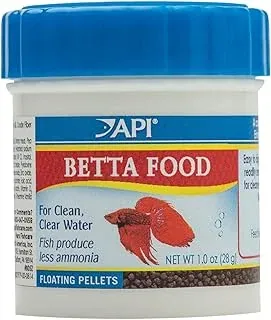
API Betta Food is sold as a single.78-ounce container of floating pellets formulated specifically for betta fish. According to the manufacturer's listing, the food is positioned as a complete and balanced diet, with nutritionally-enhanced protein intended to support vibrant coloration and overall health. The pellets float at the surface, which aligns with the betta's natural top-feeding behavior. The recommended feeding protocol is twice daily, in amounts the fish can consume within two minutes — a standard guideline widely echoed across betta care resources.
Manufacturer Claims: Color, Digestion, and Water Quality
API's primary selling points center on three areas. First, the formula is said to contain key nutrients that enhance the vibrant color of betta fish. Second, the floating pellets are described as easily digestible for maximum nutrient absorption. Third — and most notably — the manufacturer states that bettas fed this food release up to 30% less toxic ammonia, resulting in cleaner, clearer water. This ammonia-reduction claim is echoed in third-party retailer descriptions sourced from
littlefamilymembers.com, which characterizes the product as a protein-rich diet with nutritionally-enhanced protein designed to reduce waste output. These claims originate from API's own marketing materials and have not been independently verified by this review.
Build Quality and Safety
API Betta Food is produced by a long-established aquarium products brand. The listing does not include specific CPSC safety advisories or recalls associated with this product. The pellet format and floating design are consistent with accepted betta feeding best practices, as bettas are labyrinth fish that naturally feed at or near the water's surface.
Real-World Fit: Who It Suits, Who Should Skip
This food is a practical option for betta keepers who want a purpose-formulated pellet from a widely available brand at an accessible price point. The twice-daily, two-minute feeding guideline makes it straightforward for newer fish owners to manage portion control. The floating format is genuinely suited to bettas and reduces the risk of uneaten food sinking and decomposing unnoticed.
However, hobbyists who prioritize ingredient transparency or who keep bettas prone to digestive issues may want to scrutinize the formula closely before committing. Community discussion on
bettafish.org notes that many pellet and flake foods across the betta food category commonly contain fillers — such as certain grains — that can contribute to bloat and constipation, and that bettas receive no nutritional benefit from such fillers. This is a known concern across this segment of fish food, not a claim specific to API's formula, but it is worth keeping in mind when evaluating any pellet-based diet. Readers experiencing ongoing digestive issues in their betta may wish to consult community resources or vary the diet with live or frozen foods.
Honest Limitations
A few limitations are worth noting:
- Small container size: At.78 ounces, the container is quite small. For multi-tank households or anyone feeding multiple bettas, restocking frequency will be higher than with larger formats.
- Single protein source dependency: The listing does not detail a varied ingredient breakdown, and a sole diet of any one pellet food is generally considered less ideal than a rotation that includes frozen or live foods, according to betta care guidance at bettafish.org.
- Community digestive anecdotes: Forum coverage at bettafish.com documents cases of betta constipation linked to pellet-only diets in general, which reinforces the value of dietary variety rather than relying on a single food source — regardless of brand.
- Ammonia claim is self-reported: The 30% less ammonia figure is a manufacturer claim and does not appear to be supported by independently published test data in the sources available for this review.
Bottom Line
API Betta Food offers a convenient, species-specific floating pellet option from a recognizable aquarium brand. The product's core positioning — protein-focused nutrition, reduced ammonia output, and a simple feeding schedule — makes it a reasonable starting point for betta owners. That said, betta keepers attentive to long-term health will likely get the best results by using it as part of a varied diet rather than as a standalone staple.