What It Is and Key Specs
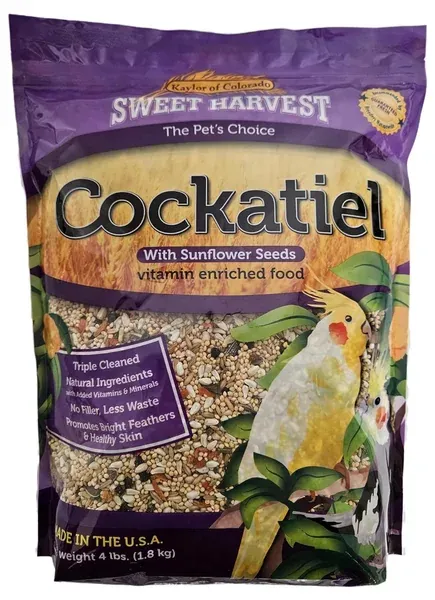
The LuvemPets Cockatiel Bird Food is a seed-based diet packaged in a 4 lb resealable bag. According to the manufacturer's listing, the mix centers on a blend that includes sunflower seeds alongside other seeds, and the entire batch undergoes triple cleaning and nitrogen flushing — a preservation technique designed to displace oxygen in the bag and extend freshness without chemical preservatives. The formula is described as enriched with vitamins and minerals, and the manufacturer explicitly claims "no filler ingredients."
Build Quality and Freshness
The nitrogen-flushing step stands out as a meaningful quality marker in this category. Seed mixes that skip this process are more vulnerable to rancidity and mold during storage, both of which are genuine concerns for small-bag products that may sit in warehouse or retail conditions for extended periods. Triple cleaning, meanwhile, is intended to remove dust, debris, and broken seed husks that can reduce palatability and contribute to waste at the bottom of the bowl. Taken together, these processing steps reflect above-average attention to shelf life for a seed-based product.
Nutrition Profile and Real-World Fit
The listing's vitamin and mineral enrichment claim addresses a well-documented gap in plain seed diets. Published avian nutrition coverage (
birdopedia.com) notes that a vitamin-coated whole-seed variety can provide a broader nutritional profile than seeds alone, which supports the case for an enriched mix over a plain one. That said, cockatiels — like many parrots — are selective feeders and may preferentially eat their favorite seeds while leaving enriched or less palatable pieces behind, which can undermine the full nutritional benefit.
This mix is best suited to:
- Owners using seed as a dietary component alongside fresh vegetables, leafy greens, and occasional pellets
- Cockatiels transitioning between foods, where a familiar seed base aids acceptance
- Multi-bird households where a 4 lb bag turns over quickly, keeping the mix fresh
Owners seeking a pellet-only or pellet-primary regimen, or those whose avian vet has specifically recommended reduced fat intake, may want to evaluate the sunflower seed content carefully before committing.
The Sunflower Seed Question
Sunflower seeds are a notable inclusion and deserve transparent discussion. Cockatiels are known to find them highly palatable — sometimes to the exclusion of other foods — and published coverage from The Nest highlights that cockatiels on high-fat, high-seed diets face elevated risk of cardiac issues, with symptoms in advanced cases including lameness, vision problems, seizures, and poor coordination. This is not a concern unique to this product; sunflower seeds are common across this tier of cockatiel seed mixes. However, owners should be aware that free-choice access to a sunflower-inclusive mix, without portion discipline or dietary variety, can skew fat intake over time. Treating this mix as one component of a varied diet — rather than the sole food source — is the approach most consistent with published avian husbandry guidance.
How It Compares in the Category
Seed mixes formulated for cockatiels vary widely in processing quality and additive content. Value-tier mixes in this category typically lean on simpler cleaning processes and may omit nitrogen flushing entirely. By contrast, the triple-cleaning and nitrogen-flush combination LuvemPets highlights aligns with practices more commonly seen in mid-to-upper-tier seed products. The Spruce Pets' roundup of top cockatiel foods (
thesprucepets.com) notes that leading options tend to emphasize ingredient variety and size-appropriate seeds — criteria this mix addresses through its cockatiel-specific formulation.
Honest Limitations
- Sunflower seed palatability bias: Selective eating is common with mixed seeds; birds may consume preferred pieces and leave the rest, reducing effective nutritional diversity.
- Seed-only diets have inherent gaps: Even an enriched mix is generally considered a partial diet by avian nutritionists; supplementation with fresh foods is widely recommended.
- Enrichment delivery uncertainty: Vitamin coatings applied to seed shells may be partially discarded when birds hull seeds before eating — a limitation common across enriched seed products.
- Bag size consideration: At 4 lbs, the bag suits small households, but owners with a single bird should ensure turnover is fast enough to maintain freshness after opening.
Reader Sentiment
Aggregate reader ratings reflect the community's experience with this product and are visible on the product page — a useful real-world signal alongside the manufacturer's claims.
Darrell Steward
1 Feb, 2021Brilliant
This is the best product that has ever been made. It is also one of the best items in the world right now. Definitely go for it.
Albert Flores
17 Oct, 2020Just WOW
It's good to use this product for development as it has very good performance, display quality and all other features.