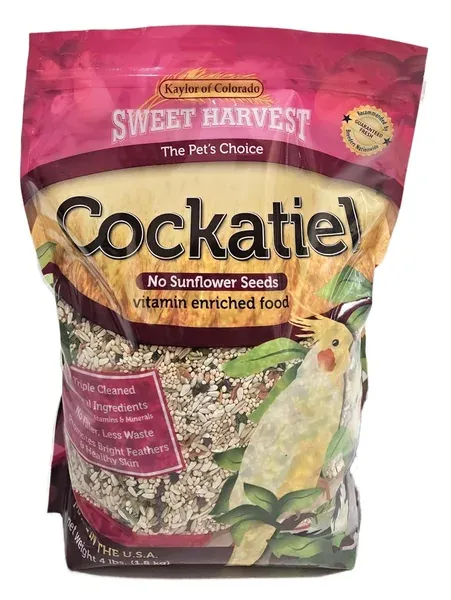
What It Is and Key Specs
LuvemPets offers this cockatiel seed mix in a 4 lb bag, specifically formulated without sunflower seeds — a deliberate choice given that sunflower seeds are high in fat and are frequently overeaten by cockatiels when given free access. According to the product listing, the blend is triple cleaned and nitrogen flushed to extend freshness, and it is enriched with vitamins and minerals. The manufacturer also states there are no filler ingredients, which the listing frames as reducing waste in the dish.
The nitrogen-flushing process is a meaningful preservation step: it displaces oxygen in the bag, which slows rancidity in the seed oils — a practical benefit noted in coverage of similar no-sunflower blends at
avianbliss.com, which observed that nitrogen-flushed packaging "keeps seeds fresh longer."
Build Quality and Freshness
The triple-cleaning process and nitrogen-flushed bag are the two main quality signals available from the listing. Triple cleaning typically removes dust, debris, and broken seed material before packaging, and the
avianbliss.com review of a comparable no-sunflower blend noted that "triple-cleaned, hulled ingredients mean less hull waste in the dish" — a practical convenience for owners managing daily cleanup. These are process claims from the manufacturer; buyers should inspect the bag on arrival for any signs of moisture or off odors, as with any seed product.
Nutritional Context
The vitamin-and-mineral coating addresses a known gap in seed-only diets. Coverage from
birdopedia.com notes that a vitamin coating combined with whole-seed variety "addresses virtually every" nutritional need more completely than free-choice sunflower seed diets. However, the broader avian nutrition community consistently cautions that seeds alone — even enriched ones — should not be the sole food source. As bird breeder Pam Sysinger told
The Spruce Pets, "fresh foods, especially fruits and veggies are key" for cockatiels. A vitamin-enriched seed mix is a useful foundation, but most avian nutrition sources treat it as one component of a varied diet rather than a complete solution on its own.
Real-World Fit: Who It Suits, Who Should Skip
This mix is a reasonable match for:
- Owners whose cockatiels self-select sunflower seeds obsessively, since removing them from the mix eliminates that high-fat option entirely.
- Those who prioritize dish cleanliness, given the reduced hull waste associated with cleaned seed blends.
- Buyers who supplement with fresh produce and/or pellets, since the seed mix fits neatly into a mixed feeding approach supported by avian nutrition guidance.
It is less ideal for:
- Owners looking for a single, all-in-one diet. Published guidance consistently recommends against seed-only feeding regardless of blend quality.
- Birds that are already transitioned to a pellet-primary diet, where a seed mix may be better used as an occasional treat or foraging enrichment rather than a staple.
Honest Limitations
A few limitations are worth naming clearly. First, the "no filler ingredients" claim comes from the manufacturer and is not independently verified in the sources reviewed here. Second, while the vitamin-and-mineral enrichment is a genuine benefit, nutrients applied as a coating can degrade once the bag is opened and exposed to air and light — proper storage in a cool, sealed container is advisable. Third, seed mixes at this tier commonly vary in the ratio of higher-value seeds to more neutral ones; the exact species breakdown of this blend is not detailed in the listing, so buyers who want precise ingredient proportions may want to contact the manufacturer directly. Finally, as noted across multiple sources, no seed mix — enriched or otherwise — replaces the nutritional contribution of fresh foods in a cockatiel's diet.
Bottom Line
The LuvemPets no-sunflower cockatiel seed mix brings practical advantages: a deliberate omission of a problematic high-fat seed, a freshness-focused packaging process, and a vitamin-mineral enrichment that improves on a plain seed diet. It fits best as part of a broader feeding routine that includes fresh produce, as avian nutrition guidance broadly recommends. Readers can check the current price and availability on the product page.