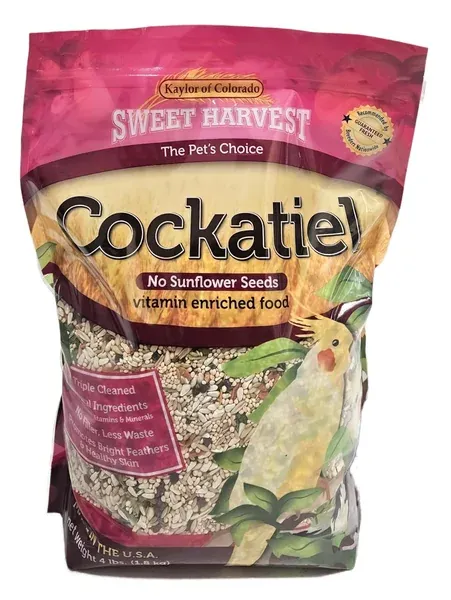
What It Is and Key Specs
LuvemPets Cockatiel Bird Food is a 4-lb bag seed mix formulated specifically for cockatiels. The headline differentiator is the deliberate omission of sunflower seeds — a common ingredient in budget mixes that birds tend to preferentially overeat. According to the manufacturer, the blend is triple cleaned to remove dust and debris, nitrogen flushed to slow oxidation and preserve freshness, and enriched with vitamins and minerals. The brand also claims no filler ingredients, positioning this as a more purposeful, less wasteful option than entry-level mixes that commonly pad volume with lower-value grains.
Build Quality and Freshness
The nitrogen-flushing process is a meaningful detail. Nitrogen displaces oxygen inside the bag, which slows rancidity in the oils naturally present in seeds — a practical freshness measure that goes beyond simple airtight sealing. Triple cleaning, as described by the manufacturer, is intended to reduce the hull fragments, dust, and weed seeds that typically inflate waste in lower-tier mixes. Readers responding to the Amazon listing appear to notice the difference: the product holds a readers' aggregate of 4.6 out of 5 across 2,016 ratings, which reflects consistent satisfaction at scale.
Nutrition Profile: Strengths and Context
The vitamin and mineral enrichment is a genuine plus. Coverage from Birdopedia notes that a vitamin coating combined with whole seed variety can address a broader nutritional profile than some single-source feeding approaches (
birdopedia.com). The absence of sunflower seeds is also meaningful: sunflower seeds are high in fat, and cockatiels given free-choice access will often select them above more balanced options, leading to dietary imbalance over time. By removing them from the formula, LuvemPets reduces that self-selection risk.
That said, seed-based diets — regardless of how well formulated — carry inherent limitations that experienced avian sources are consistent about. The Spruce Pets, citing bird breeder and Royal Wings Aviary owner Pam Sysinger, notes that "fresh foods, especially fruits and veggies are key" and that cockatiels cannot thrive on seeds alone (
thesprucepets.com). This is not a criticism unique to this product; it is a category-wide reality. This mix is best understood as a strong dietary foundation, not a complete standalone diet.
Real-World Fit: Who It Suits, Who Should Skip
This mix is well suited to cockatiel owners who already supplement with fresh vegetables, fruits, and occasional protein sources, and who want a cleaner, more intentional seed base than typical value-tier options. The sunflower-free formulation makes it particularly appropriate for birds with a history of selective eating or weight management concerns.
Bird owners who prefer a pellet-primary diet may find a seed mix like this better positioned as an occasional treat or enrichment food rather than a staple. Owners of other parrot species should also note that this blend is formulated for cockatiels specifically — nutritional ratios appropriate for one species are not automatically appropriate for another.
Long-term cockatiel breeders have spoken positively about seed-centered diets when paired with a varied feeding regimen. Colorado Springs Cockatiels, a breeding operation with over three decades of documented experience, reports feeding seed-based diets without encountering liver or kidney problems, describing birds as maintaining healthy weight and feather condition (
coloradospringscockatiels.com). This kind of longitudinal, real-world context adds credibility to the seed-mix category when used as part of a balanced approach.
Honest Limitations
- Seeds alone are not a complete diet. Fresh foods remain essential, per avian nutrition guidance — this is true of any seed mix, including this one.
- Bag size may not suit all households. At 4 lbs, the bag is a reasonable size for most single-bird owners, but those with multiple birds may find themselves reordering frequently.
- Vitamin coatings degrade. Enriched coatings on seeds are effective only when the product is fresh and stored properly after opening — improper storage can diminish the nutritional value the formulation promises.
- No independent third-party testing cited. The freshness and enrichment claims come from the manufacturer; no external lab verification is referenced in available sources.